Religious & Cultural Festivals
Jewish culture and religion is full of festivals and celebrations, from the regular observance of the Jewish day of rest, Shabbat (every Friday night to Saturday night) to events and celebrations throughout the year.
Major festivals are scheduled using the Hebrew lunisolar calendar, and aligned from the traditional date of creation around 3760 BCE. Days begin at sunset so festivals start in the evening, and according to the Gregorian calendar vary each year.
Jewish people will observe them in multiple ways, sometimes by attending synagogue & having a holiday from work, by eating special foods, fasting and practising various customs and rituals. As with all Jewish life there are diverse ways of connecting with and expressing our religion and culture.
Pregnant women and new mothers are exempt from fasting at some times, and any medical emergency will always take precedent over any observance. This is due to the law of Pikuach Nefesh (preservation of life), which prioritises health and life above all other commandments.
Listed below are the main religious and cultural festivals and how they might be celebrated, with particular emphasis on the relevance to mothers and birthing people, and those who provide care.
-
Shabbat (the Sabbath) is observed from sunset on Friday evening to Saturday night. It comes from the Torah, where God rests on the seventh day of Creation, and is developed through Jewish law.
Shabbat is a rejuvenating time of rest, prayer, family, presence and enjoyment rather than productivity.
Observant Jewish people do not work on Shabbat and may attend synagogue on Friday night and Saturday morning.
Shabbat traditionally limits activities considered work - such as driving, writing, household chores, or using electrical appliances including phones. Rest, reflection, and enjoying meals and family time are prioritised.
Friday night
Friday night is a key moment in the Jewish week. Shabbat is welcomed with a blessing on the candles, and families gather for a special meal - Friday night dinner.
Before dinner, a blessing is said on the wine (kiddush) and on the traditional plaited challah bread (hamotzi).
Labour & Medical Care
Preserving human life overrides all Shabbat restrictions.
Ambulances, phones, and travel are permitted if urgent. Inductions and caesarean sections are acceptable, but some families may choose to schedule or postpone non-urgent procedures until after Shabbat - if safe to do so.
Supporting Jewish Families
Respecting Shabbat observance, supports dignity, trust, and family-centred care.
Some people may avoid using phones, signing forms, or operating electronics unless urgent. Electronic doors, buzzers, and lights may pose challenges during Shabbat.
During home visits, expect that lights may be left on or doorbells not used in order to observe Shabbat.
Breastfeeding & Expressing
Breastfeeding is protected in Judaism. Hand-expressing milk or using a manual pump however is considered work, and milk expressed during Shabbat may sometimes be discarded. An electric pump is preferable, but an observant Jewish person may require assistance turning it on or off themselves.
Formula Feeding
There are special ways to prepare formula, and other baby foods, on Shabbat so as to avoid certain prohibitions.
If an urgent feed is needed then, as with all life-threatening situations, Shabbat laws may be broken.
-
Rosh Hashanah - the Jewish New Year, is a day of judgement, renewal and spiritual rebirth. It is full of fertility and pregnancy symbolism; miraculous conceptions, labour-like shofar blast (the rams horn blown in synagogue) and a prayer caling it ‘the conception of the world’. The Talmud says God remembered three women who struggled to conceive and it has been suggested that they conceived on this day; Sarah, Rachel and Hannah. Sweet foods are eaten at new year as well as other symbolic ones such as a whole fish with the head on, so you will be ‘at the head of the year’, apples are dipped in honey so you will have a sweet year and seasonal & plentiful fruits and vegetables.
Yom Kippur - the Day of Atonement, is the holiest day in the Jewish year. It is a 25-hour fast focused on introspection, repentance and seeking forgiveness. According to Halacha (Jewish law) pregnant women are generally obligated to fast, however, is there is any risk to the mother or baby eating and drinking is permitted. If labour starts on Yom Kippur, due to the law of Pikuach Nefesh (preservation of life), which priorities health and life above all other commandments it is permitted (and required) to seek help, use transportation and eat & drink as necessary. The first 3 days after birth, fasting is not allowed, days 4-7 depending on wellbeing and breastfeeding mothers are allowed to drink small amounts.
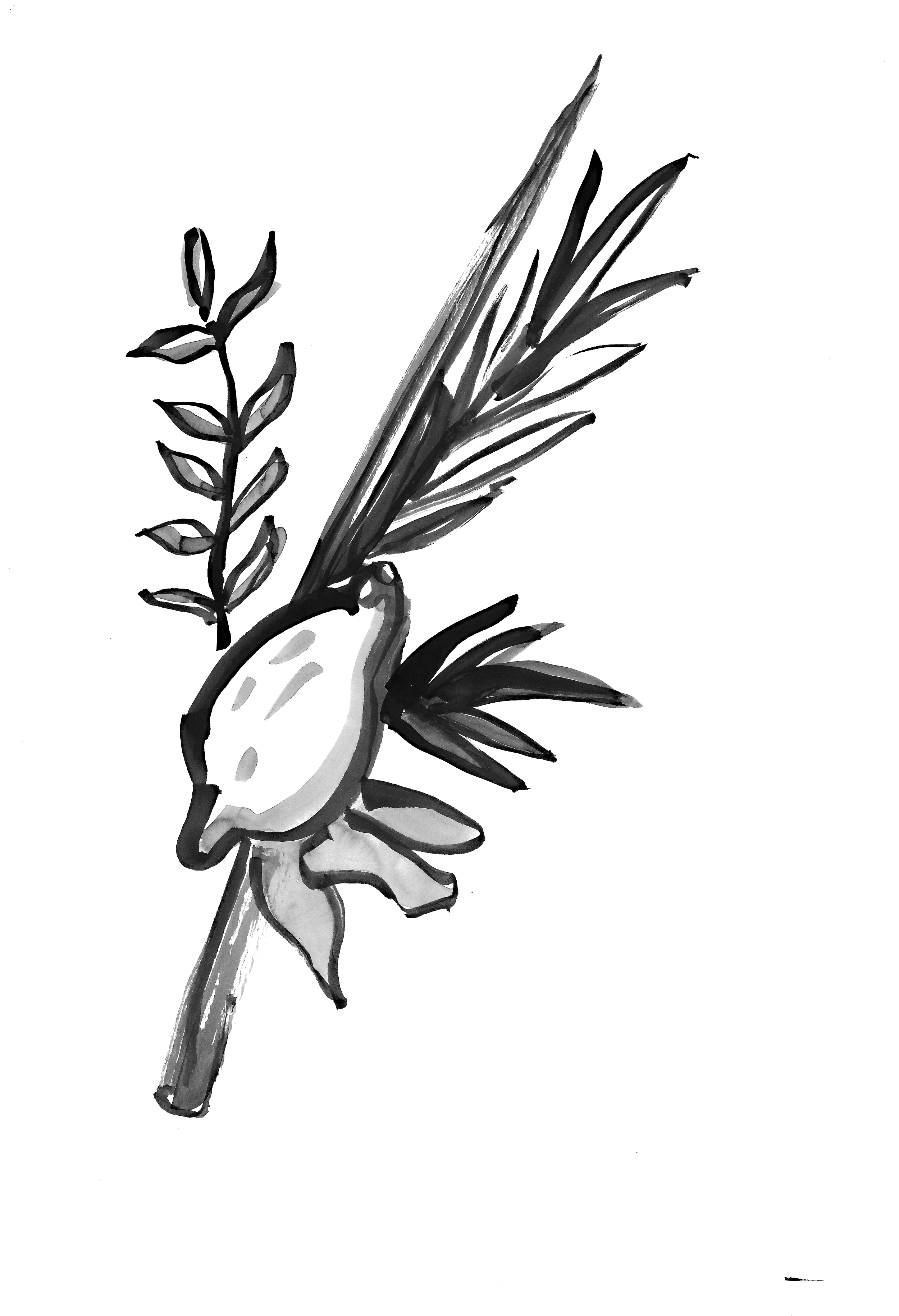
Sukkhot - The feast of Tabernacles (includes Sheimini Atzeret & Simchat Torah), comes five days after Yom Kippur and is a seven-day festival that celebrates the gathering of the harvest and the protection to the children of Israel as they left Egypt. It is a time of gathering, gratitude and shelter. A temporary shelter, sukkah is created outside where all meals are taken during the festival. Sukkot reminds us of the sacred spaces we build in our work, spaces of safety, compassion and respect for women, birthing people and families.
-
Chanukah - meaning ‘dedication’ is the Jewish festival of light, an 8 day celebration marking the victory of the Maccabees over the Seleucid empire, the rededication of the Second Temple in Jerusalem and the miracle of the oil. It is celebrated by lighting candles every night on an 9-branched Chanukiah, which is traditionally placed in the window, in order to publicise the miracle to passers-by. Lighting the candles honours the miracle of the oil, which lasted eight days, when there was only one days supply and therefore we eat foods cooked in oil, such as latkes (potato pancakes) and doughnuts. The festival of Chanukah celebrates hope, resilience, and light even in the darkest times, and therefore can resonate with the Jewish community going through difficult times as well as individual women and families.
Tu Bishvat - ‘New Year for Trees’ Festival is based on an ancient agricultural festival that marks when trees in Israel awake from Winter. It has evolved into a festival with significant themes of environmentalism, nature and the connection to the Land of Israel. Some communities will have a ritual seder meal that involves eating specific fruits that represent the seven species of Israel: wheat, barley, grapes, figs, pomegranates, olives and dates. Some contemporary interpretations connect the holiday to the themes of the sacred feminine - Shekhinah, the Divine Presence. Women may use the holiday to reflect on their own fertility, growth and connection to ‘Mother Nature’.
-
Purim - Festival of Lots, Purim features two important female characters, Queen Vashti & Queen Esther and their defiance against the Persian King Ahasuerus of the late 5th century BCE, and triumph over the evil politician Haman who seeks to destroy the Jewish people. It is the most joyous of Jewish festivals and involves fasting, feasting and the giving and receiving of gifts and eating of special foods such as hamantachen - triangular filled pastries thought to represent Haman’s hat or ears.
Important Considerations for Pregnancy, Birth and New Parents During Purim, or if you’re supporting a Jewish Family on Purim:
Fasting on Purim (Ta’anit Esther) - The day before Purim (13th of Adar) is a fast day known as Ta’anit Esther. Pregnant and postpartum people (within 30 days of birth) are generally exempt from fasting as Jewish law prioritises maternal and fetal health.
Dressing up - Many children and adults wear costumes, symbolising the hidden miracles in the Purim story.
Giving charity - It’s customary to give gifts to those in need (Matanot La’Evyonim), ensuring everyone can celebrate.
Mishloach Manot (Purim Gift Baskets) - Giving Mishloach Manot is a key Purim custom. Supporting new parents by delivering or helping with these gifts can be a thoughtful way to participate.
A festive meal - Families gather for a joyous feast (Seudat Purim), with storytelling, laughter, and plenty of delicious food.
Listening to the Megillah - The Scroll of Esther (Megillat Esther) is read aloud, with lively audience participation - especially making noise to drown out Haman’s name! Listening to the Megillah is an important mitzvah, but it may be too long or noisy for some. Some communities offer quieter readings, and home or hospital readings can be arranged for those who are unable to attend in person.Passover - Pesach (Passover) is a major Jewish festival commemorating the Exodus from Egypt — it’s a time of liberation, transition, and transformation and a particularly resonant season for those preparing to give birth.
If you’re supporting a Jewish woman around this time, here are a few things to be mindful of:
- Food and dietary restrictions: Many Jewish families follow dietary laws during Pesach, avoiding chametz (leavened foods). This can impact what is available or acceptable to eat in pregnancy or postnatally, especially when appetite or nausea are in play. Be sensitive and ask.
- Increased household demands: The preparations for Pesach are intensive — deep cleaning, cooking, hosting seders. Pregnant women or new mothers may feel under pressure. Emotional and practical support is essential.
- Themes of birth and renewal: Pesach celebrates new beginnings and freedom. These themes can hold deep personal meaning for pregnant women or those recovering from birth.
- Hospital stays: If a woman is in hospital during Pesach, kosher-for-Passover food may need to be brought in from home or arranged through a chaplaincy.
- Timing: Seders go late into the evening. This may affect rest or routines, particularly with newborns or if a woman is close to labour.
-
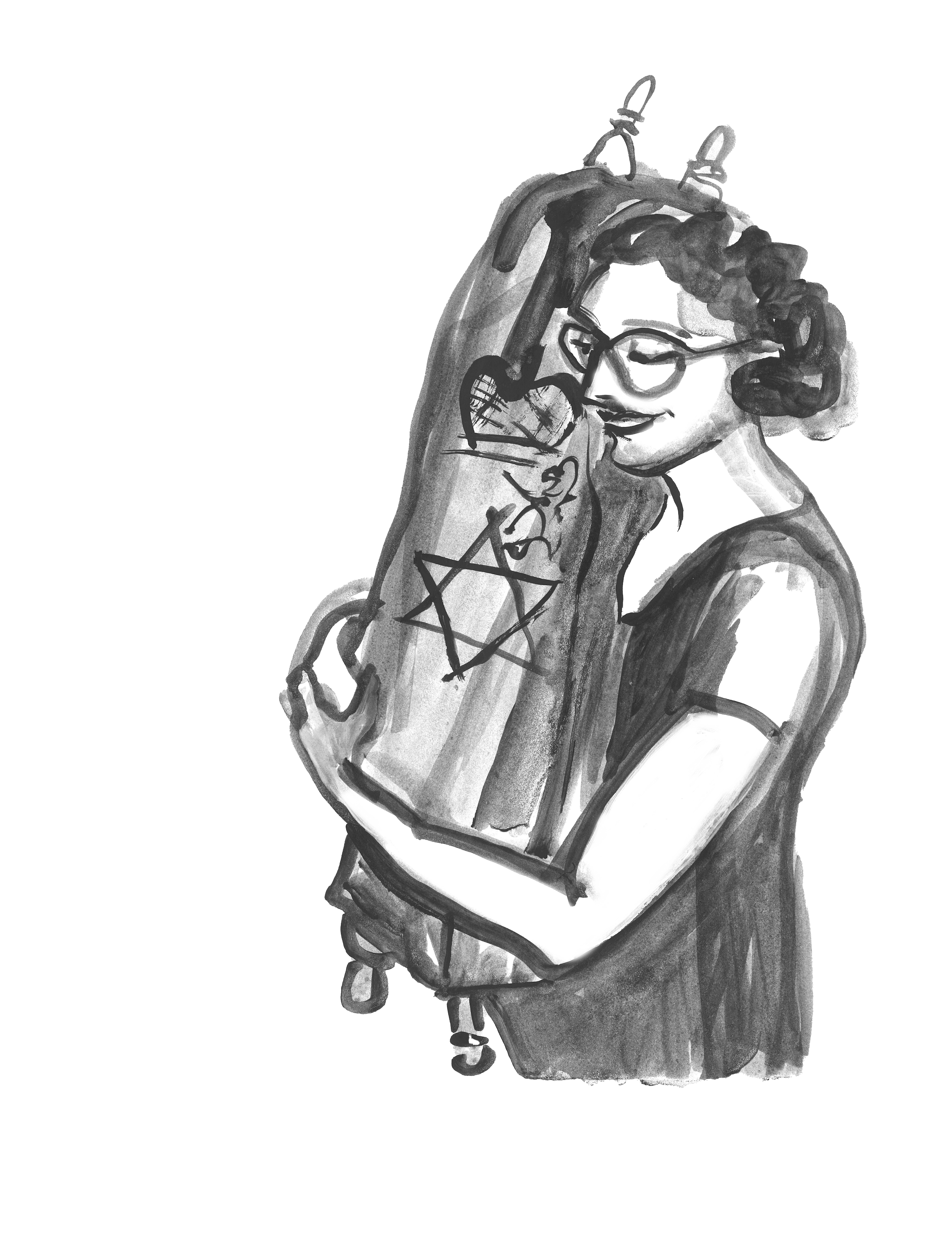
Shavuot – The Festival of Weeks celebrates harvest of first fruits and commemorates the giving of the Torah and Commandments at Mount Sinai.
The word Shavuot (or Shavuos) means “weeks.” It celebrates the completion of the seven-week Omer counting period between Passover and Shavuot.
Shavuot is a two-day holiday & coincides with the date that God gave the Torah to the Jewish people at Mount Sinai more than 3,000 years ago. It comes after 49 days of eager counting, as we prepared ourselves for this special day.
It is celebrated by lighting candles, staying up all night to learn Torah, hearing the reading of the Ten Commandments in synagogue and feasting.
It is customary to eat dairy foods on Shavuot. Menus range from traditional cheese blintzes and cheesecake to quiches, casseroles and more.
Some have the custom to decorate their homes (and synagogues) with flowers and sweet-smelling plants in advance of Shavuot.
As with all religious festivals parents may need appointments changed during holiday periods, and if they are observant might have been up all night studying Torah!Tisha B’Av - the saddest day of the Jewish calendar, commemorates the destruction of the First and Second Temples, along with many other tragedies in Jewish history and includes a day of fasting.
Jewish law (Halacha) prioritises health, especially during pregnancy and birth. Therefore:
– Pregnant women may be exempt if fasting poses any risk.
– If weak, dizzy, or dehydrated, eating and drinking is allowed.
– Women in labour are fully exempt.
– No fasting is required in the first 3 days after birth.